
Nervous System Assessment
Nervous System Assessment in Northcote
Understanding how your nervous system is functioning is often the first step in identifying what may be contributing to discomfort, tension or changes in movement.
At Northcote Health & Wellness, Dr Chris Milios takes a thorough approach as a nervous system chiropractor, helping build a clearer understanding of how your body is communicating and responding to inform an appropriate management approach.

What is a Nervous System Assessment?
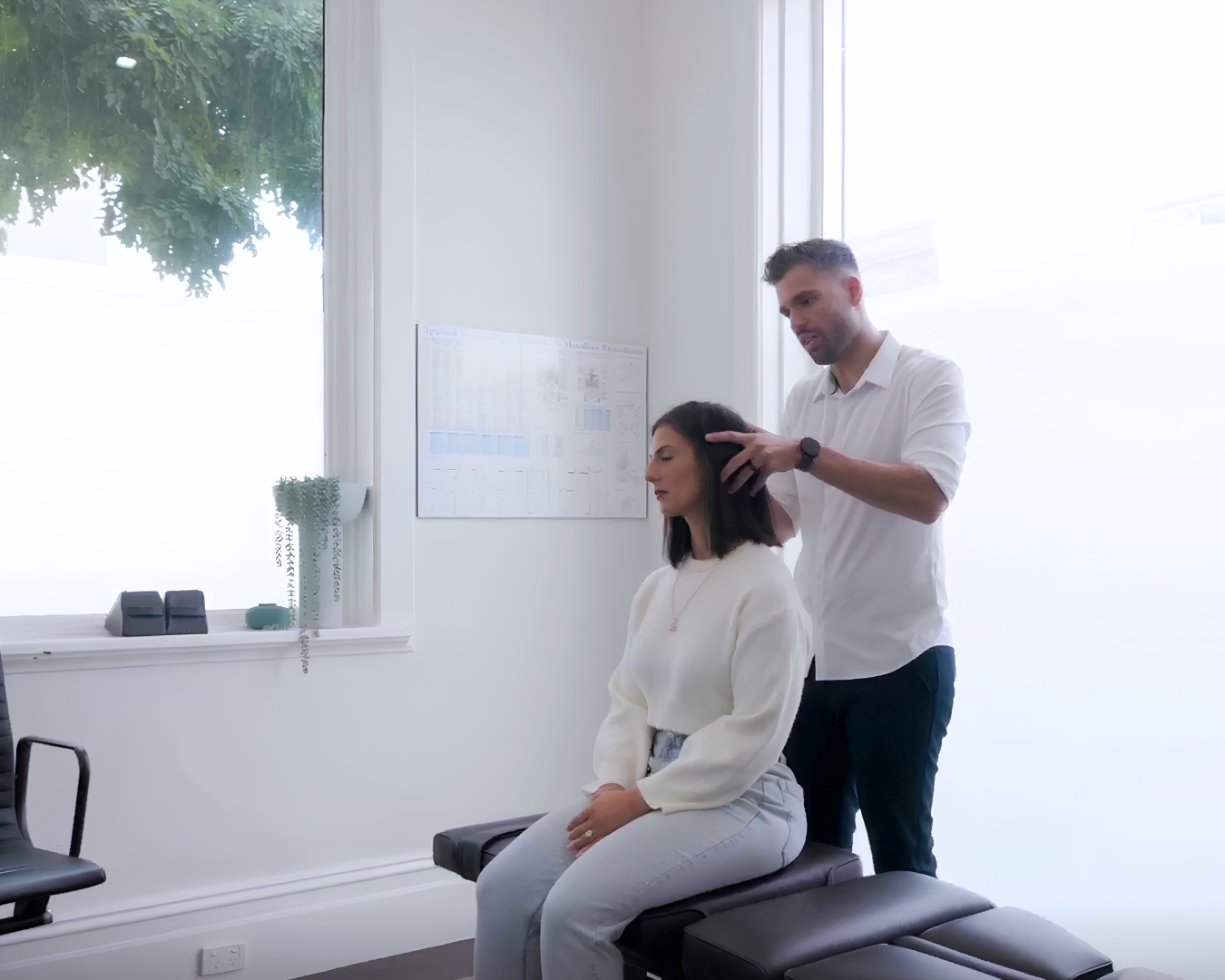
A nervous system chiropractic assessment involves a series of observations and tests that help evaluate how well your brain, spine and body are working together.
As a nervous system chiropractor, Dr Chris focuses on how signals are sent, received and processed, which can influence movement, coordination and how your body responds to stress or strain.
What is a Nervous System Assessment?
A nervous system chiropractic assessment involves a series of observations and tests that help evaluate how well your brain, spine and body are working together.
As a nervous system chiropractor, Dr Chris focuses on how signals are sent, received and processed, which can influence movement, coordination and how your body responds to stress or strain.
How This May Help
A nervous system assessment may help to:
- Identify areas of dysfunction or imbalance
- Better understand factors that may be associated with discomfort or restricted movement
- Guide a tailored treatment plan
- Track changes and progress over time
Working with a nervous system chiropractor may provide additional insights into movement, function and how your body responds to everyday physical demands.
What This Assessment May Involve
This may include simple, non-invasive tests that assess how your nervous system is responding. This can help identify areas where communication between the brain and body may not be functioning as efficiently.
Assessing how your joints move can provide insight into how your nervous system is controlling and coordinating movement.
Restrictions or irregular movement patterns may provide useful information about how the body is moving and functioning.
Reflex testing helps evaluate how your nervous system responds to certain stimuli. Changes in reflex responses can offer useful information about nerve function and overall neurological health.
Posture and alignment assessments look at how your body is positioned both at rest and in motion. This can highlight patterns in posture and movement that may be relevant when assessing overall function.
What to Expect
Before:
Dr Chris will discuss your health history, lifestyle and any current concerns.
During:
A series of gentle, non-invasive assessments will be carried out, focusing on movement, reflexes and overall function.
After:
You’ll receive feedback on the findings and, if appropriate, a recommended approach to care moving forward.
If you’re looking for a nervous system chiropractor in Northcote, a detailed nervous system assessment can provide valuable information about movement, coordination and physical function.
Why Choose Us?
Our team is dedicated to your health and happiness. We believe it’s our duty as care providers, not just healers or therapists that can provide you with the best results possible so long-term pain relief becomes part of everyday life again. We offer many services under one roof including massage therapy which treats more than muscle tension but also helps clients release emotional stress when necessary through different techniques.
The first visit includes a review about your health history which will take into account any aches/pains or other concerns you may have.
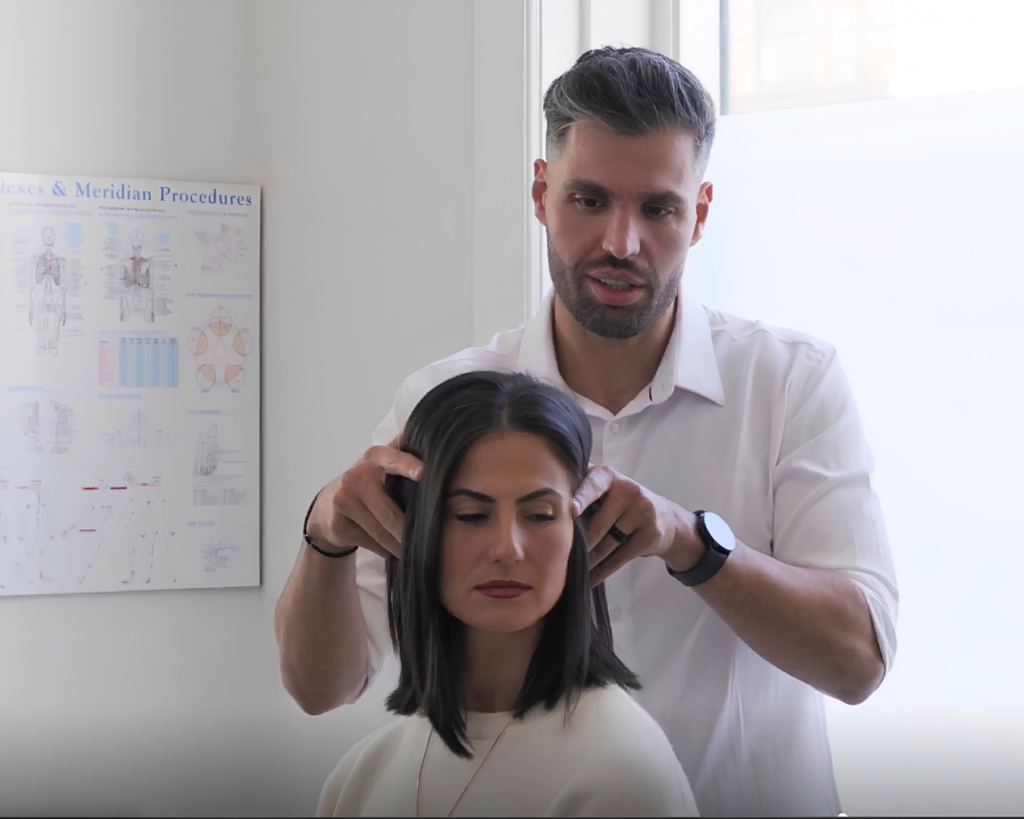
A detailed Examination is then performed. This will include various tests and procedures which will examine many things but mainly the function of your:
- Nervous system
- Muscular system
This will include a multitude of Neurological tests which will determine how well your nervous system is functioning. We will look at things like:
- Alignment of the body, spine and the extremities.
- Movement of the joints, muscles and spinal column.
- Reflexes of the nervous system.
This will include testing the relevant muscles of the body to check how well they are functioning. This will look at things like muscle:
- Strength
- Weakness
- Proper movement
- Tightness/ Restriction
Once treatment commences, the Chiropractor will then perform a series of necessary adjustments or corrections to various areas of the body. These adjustments are both safe and gentle low force techniques to bring the body back to proper alignment and joint function. These adjustments are not only performed on the spine but any other joint that is relevant to the treatment ie: shoulders, ankles, wrists etc.
While the Chiropractor’s main job is correction of the spine we also address the relevant dysfunctioning muscles along with the treatment. This will include various soft tissue techniques, stretching and strengthening of these muscles to treat the body as whole.
Once treatment is concluded then the Chiropractor will advise the proper mobility and strengthening exercises to be taken home to enhance the treatment and promote the proper healing of the tissues. This will also include a discussion for future treatments when necessary.
After all the relevant information is collected we will then determine if we are the right people to help you. If we are then we will commence treatment.
Frequently Asked Questions
A nervous system assessment is a series of tests and observations used to understand how your brain, spine and body are communicating. It helps identify how well your body is functioning and whether there are any areas that may need support.
In many cases, yes. A thorough assessment provides important information about your health, movement and physical function, which can help determine whether chiropractic care is appropriate for your circumstances.
A nervous system assessment may be helpful for people experiencing ongoing discomfort, as it can provide insight into potential underlying causes and how the body is responding over time.
No, the assessment is generally gentle and non-invasive. It involves simple tests and observations designed to evaluate function without causing discomfort.
The length can vary depending on your individual needs, but it is typically completed as part of an initial consultation where a full picture of your health and movement is explored.