
Nerve pain, also known as neuropathic pain, can affect people of different ages and lifestyles. It can present in a variety of ways and may impact daily activities, depending on the underlying cause.
Understanding what nerve pain is and what may be contributing to it is an important first step in managing symptoms.
What is nerve pain?
Nerve pain occurs when there is irritation or dysfunction within the nervous system. This can change how pain signals are processed and experienced.
People may describe nerve-related pain in different ways, including sharp, burning, or tingling sensations.
Common symptoms
Nerve pain may present with:
- Tingling or “pins and needles” sensations
- Burning or sharp discomfort
- Numbness
- Muscle weakness
- Pain that travels along an arm or leg
- Increased sensitivity to touch
If symptoms are ongoing or worsening, it’s important to seek professional advice.
Possible contributing factors
There are a range of factors that may be associated with nerve-related pain, including:
- Posture and prolonged positions – Long periods of sitting or repetitive movements may contribute to physical strain
- Repetitive activities – Tasks involving repeated motion can place stress on certain areas of the body
- Injuries or trauma – Previous injuries may affect surrounding tissues and structures
- Conditions such as sciatica – Which may involve irritation of the sciatic nerve
It’s important to note that causes can vary, and an individual assessment is often needed.
Approaches to managing nerve pain
Management will depend on the underlying cause and individual circumstances.
Options may include:
- Movement and exercise programs
- Ergonomic and posture adjustments
- Lifestyle modifications
- Medical or allied health care
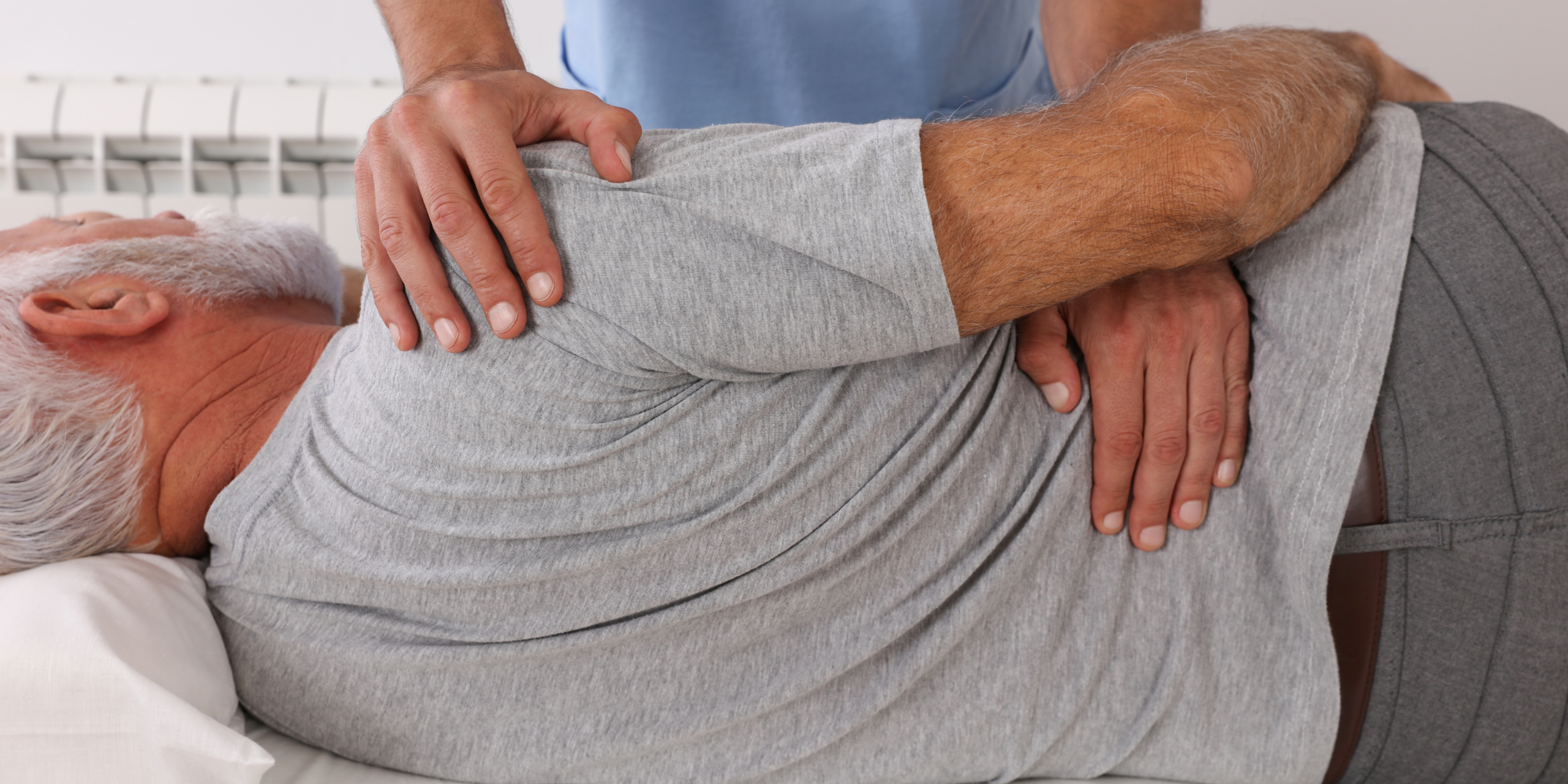
For some people, chiropractic care may be one option as part of a broader management plan. This may include hands-on techniques and advice aimed at supporting movement and reducing physical discomfort.
What to expect during a consultation
A consultation typically involves discussing your symptoms, medical history, and lifestyle factors.
Based on this, a tailored plan may be developed to suit your individual needs, which could include advice, exercises, or referral to other healthcare providers if appropriate.
Tips to support day-to-day comfort
- Maintain good posture when sitting and standing
- Stay active with gentle, regular movement
- Set up your workspace to support comfort and alignment
When to seek advice
If you are experiencing persistent pain, numbness, or changes in sensation, it’s important to seek advice from a qualified health professional.
If you’d like to learn more about your options, feel free to get in touch.
Some commonly asked questions:
What causes nerve pain?
Nerve pain may be caused by irritation, compression, or damage to nerves. This can occur due to injury, repetitive strain, or conditions such as sciatica.
What does nerve pain feel like?
Nerve pain is often described as burning, tingling, sharp, or shooting pain. Some people may also experience numbness or increased sensitivity to touch.
How can nerve pain be managed?
Management depends on the underlying cause but may include movement, posture changes, lifestyle adjustments, and support from healthcare providers.